Secure computer systems for remote work sets the stage for this enthralling narrative, offering readers a glimpse into a story that is rich in detail with entertaining interactive style and brimming with originality from the outset.
In today’s digital landscape, the need to secure computer systems for remote work has never been more crucial. With the rise of remote work environments, protecting sensitive data and ensuring secure communication channels are paramount. Let’s dive into the world of secure computer systems for remote work and explore the best practices to safeguard your digital workspace.
Secure computer systems for remote work
Securing computer systems for remote work is crucial to protect sensitive data and ensure the privacy of individuals and organizations. With the increasing trend of remote work, it is essential to implement robust security measures to prevent cyber threats and breaches.
Importance of securing computer systems for remote work
When working remotely, employees are often accessing company networks and data from various locations, making them more vulnerable to cyber attacks. Securing computer systems helps in safeguarding confidential information and maintaining the integrity of digital assets.
Potential cybersecurity threats in a remote work environment
- Phishing attacks targeting remote workers through emails or messages.
- Unsecured Wi-Fi networks leading to data interception by hackers.
- Ransomware attacks encrypting important files and demanding payment for decryption.
- Unauthorized access to company systems through weak passwords or unsecured devices.
Best practices for securing computer systems when working remotely
- Use strong, unique passwords for all devices and accounts.
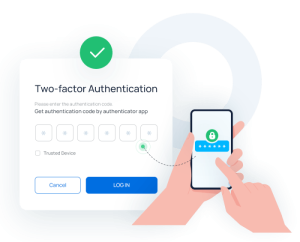
- Enable two-factor authentication for an added layer of security.
- Update software and operating systems regularly to patch vulnerabilities.
- Use a virtual private network (VPN) to encrypt internet traffic and protect data.
Role of encryption in ensuring the security of remote work computer systems
Encryption plays a vital role in securing data transmitted between remote devices and company networks. By converting sensitive information into a coded format, encryption prevents unauthorized access and ensures confidentiality. Implementing encryption protocols strengthens the overall security posture of remote work environments.
Mobile Computing
Mobile computing plays a crucial role in the context of remote work, enabling employees to stay connected and productive from anywhere. With the rise of remote work arrangements, the use of mobile devices such as smartphones, tablets, and laptops has become increasingly prevalent in modern workplaces.
Significance of Mobile Computing in Remote Work
- Flexibility: Mobile devices allow employees to work from various locations, providing flexibility in managing their tasks and schedules.
- Collaboration: Mobile applications and communication tools enable seamless collaboration among remote team members, enhancing productivity and efficiency.
- Accessibility: With mobile computing, employees can access work-related information and resources anytime, anywhere, improving responsiveness and decision-making.
Security Challenges in Mobile Computing for Remote Work
- Device Security: Mobile devices are more vulnerable to theft, loss, or unauthorized access, posing risks to sensitive data and information.
- Network Security: Public Wi-Fi networks used by mobile devices can be insecure, increasing the likelihood of data breaches and cyber attacks.
- App Security: Malicious apps and phishing attacks targeting mobile devices can compromise sensitive data and compromise the security of remote work systems.
Examples of Mobile Computing Technologies for Remote Work
- Virtual Private Network (VPN): Securely connect to the company’s network and access resources remotely.
- Mobile Device Management (MDM): Monitor and manage mobile devices to enforce security policies and protect corporate data.
- Collaboration Apps: Tools like Slack, Microsoft Teams, and Zoom facilitate communication and teamwork among remote employees.
Role of Mobile Device Management in Securing Mobile Computing for Remote Work
- Enforcement of Security Policies: MDM solutions ensure that devices comply with security protocols and settings, reducing the risk of data breaches.
- Remote Wipe and Lock: In case of a lost or stolen device, MDM allows for remote wiping of data to prevent unauthorized access to sensitive information.
- App Management: MDM enables IT administrators to control app installations and permissions on mobile devices, minimizing security vulnerabilities.
Computers Programming
Programming plays a crucial role in securing computer systems for remote work by implementing secure coding practices and protocols. By following best practices in programming, developers can significantly reduce the risk of vulnerabilities that could be exploited by malicious actors.
Secure Programming Practices for Remote Work Security
- Implement input validation: Ensure that all user inputs are validated to prevent injection attacks like SQL injection or Cross-Site Scripting (XSS).
- Use secure authentication methods: Employ strong authentication mechanisms such as multi-factor authentication to prevent unauthorized access.
- Encrypt sensitive data: Utilize encryption algorithms to protect sensitive data both in transit and at rest.
Commonly Used Programming Languages for Remote Work Systems
- Java: Known for its robust security features and platform independence, Java is commonly used in developing secure remote work systems.
- Python: With its simplicity and versatility, Python is often used for building secure applications that support remote work environments.
- C#: Widely used in enterprise environments, C# provides a secure framework for developing remote work software.
Importance of Regular Code Reviews and Testing
Regular code reviews and testing are essential in ensuring the security of remote work systems. By conducting thorough reviews and testing, developers can identify and rectify security vulnerabilities before they are exploited by attackers.
Mitigating Vulnerabilities through Secure Coding Practices
- Adopt secure coding standards: Following established coding guidelines such as OWASP Top 10 can help mitigate common vulnerabilities.
- Perform security testing: Conducting regular security assessments like penetration testing can uncover vulnerabilities and weaknesses in the software.
- Update dependencies: Keeping libraries and dependencies up to date helps address known security issues and vulnerabilities.
Computers Security
Computer security in the context of remote work is crucial to protect sensitive data and systems from cyber threats. With employees working from various locations, the risk of security breaches increases, making it essential to implement robust security measures.
Common Cybersecurity Measures
- Use of Virtual Private Networks (VPNs) to encrypt data transmission and secure remote connections.
- Multi-factor authentication to add an extra layer of security by requiring additional verification steps.
- Regular software updates and patches to fix vulnerabilities and protect against malware.
- Employee training on cybersecurity best practices to raise awareness and reduce human error.
Role of Firewalls and Antivirus Software
Firewalls act as a barrier between a trusted internal network and untrusted external networks, monitoring and controlling incoming and outgoing network traffic. Antivirus software detects and removes malicious software, protecting systems from cyber threats.
Examples of Security Breaches
-
Ransomware attack on a remote work system encrypting files and demanding payment for decryption, causing data loss and disruption of operations.
-
Phishing emails targeting remote employees to steal login credentials, leading to unauthorized access to sensitive information.
-
Data breach due to unsecured Wi-Fi networks, exposing confidential company data to hackers.
Computers Software
Software applications play a crucial role in enabling secure remote work environments by providing the necessary tools for communication, collaboration, data sharing, and task management. These applications help remote workers stay connected, productive, and secure while working from different locations.
Types of Software for Remote Work
- Virtual Private Network (VPN): VPNs encrypt internet connections, ensuring secure data transmission between remote workers and the company’s network.
- Endpoint Security Software: This type of software protects individual devices from cybersecurity threats, such as malware and phishing attacks.
- Collaboration Tools: Platforms like Microsoft Teams, Slack, and Zoom facilitate communication, file sharing, and project collaboration among remote teams.
Security Implications of Different Software
- VPN: While VPNs enhance security by encrypting data, they can also be vulnerable to attacks if not properly configured or updated.
- Endpoint Security Software: This software helps prevent unauthorized access to devices, but regular updates are essential to address new threats and vulnerabilities.
- Collaboration Tools: These tools can expose sensitive information if not used securely, such as sharing files with unauthorized users or falling victim to phishing scams.
Collaboration Tools for Productivity
- Microsoft Teams: Integrates with Office 365 for seamless collaboration on documents, meetings, and chats.
- Slack: Organizes team communication through channels, direct messages, and file sharing.
- Zoom: Enables video conferencing, screen sharing, and virtual meetings for remote teams.
Importance of Regular Software Updates
Regular software updates are crucial for maintaining the security of remote work systems as they often include patches for known vulnerabilities and security flaws. By keeping software up to date, organizations can mitigate the risk of cyber attacks and data breaches that could compromise sensitive information and disrupt remote work operations.
Computer Systems

When it comes to remote work, securing computer systems is crucial to ensure the protection of sensitive data and maintain a safe working environment for employees. Let’s delve into the components that need to be secured, network security considerations, the importance of access control mechanisms, and the role of virtual private networks (VPNs) in ensuring secure communication.
Components of Computer Systems for Remote Work
- Hardware components such as laptops, desktops, and mobile devices should be regularly updated with the latest security patches to prevent vulnerabilities.
- Software applications used for remote work, including communication tools, project management software, and file-sharing platforms, must be secure and encrypted to protect data.
- Data storage solutions, whether cloud-based or on-premises, should have robust encryption mechanisms in place to safeguard sensitive information.
Network Security Considerations
- Implementing firewalls and intrusion detection systems to monitor network traffic and prevent unauthorized access to remote work systems.
- Enforcing strong password policies and multi-factor authentication to ensure only authorized users can access the network and sensitive data.
- Regularly conducting security audits and penetration testing to identify and address potential security vulnerabilities in the network infrastructure.
Importance of Access Control Mechanisms
- Access control mechanisms such as role-based access control (RBAC) and least privilege principle help limit access to sensitive data and resources based on user roles and responsibilities.
- Implementing user authentication protocols and monitoring user activity to detect and respond to any suspicious behavior or unauthorized access attempts.
- Regularly reviewing and updating access control policies to adapt to changing security threats and business requirements.
Role of Virtual Private Networks (VPNs)
- VPNs create encrypted tunnels for secure communication over public networks, protecting data transmitted between remote work systems and corporate networks.
- By masking IP addresses and encrypting data, VPNs help maintain privacy and confidentiality of information exchanged during remote work sessions.
- Using VPNs ensures that remote employees can securely access corporate resources and work on sensitive projects without compromising data security.
Final Thoughts
As we conclude our journey through the realm of secure computer systems for remote work, it’s evident that the importance of cybersecurity in remote work environments cannot be overstated. By implementing robust security measures, staying updated on the latest threats, and fostering a culture of vigilance, individuals and organizations can navigate the digital landscape with confidence and peace of mind.
Stay safe, stay secure, and embrace the future of remote work with resilience and preparedness.
Key Questions Answered
How can I secure my computer system for remote work?
Implementing strong encryption protocols, using secure VPNs, updating software regularly, and being cautious of phishing attempts are essential steps to secure your computer system for remote work.
What are some common cybersecurity threats faced in remote work environments?
Phishing attacks, malware infections, data breaches, and unauthorized access to confidential information are among the common cybersecurity threats faced in remote work environments.
Why is mobile computing important for remote work?
Mobile computing enables flexibility and accessibility, allowing individuals to work from anywhere at any time. It enhances productivity and collaboration in remote work settings.