Step into the world of remote work where cybersecurity reigns supreme. Get ready for a rollercoaster ride of tips, tricks, and insights on how to keep your digital workspace safe and secure.
As we delve deeper, you’ll uncover the essentials of cybersecurity, the role of mobile devices, programming skills, best practices, software tools, and system security measures—all tailored for remote work environments.
Introduction to Cybersecurity for Remote Work
Cybersecurity for remote work refers to the practices and measures put in place to protect digital information and systems while working outside of a traditional office setting. With the rise of remote work arrangements, ensuring cybersecurity is crucial to safeguard sensitive data and prevent cyber threats.
Importance of Cybersecurity for Remote Work
Remote work introduces unique challenges and vulnerabilities that can compromise the security of an organization’s data. It is essential to prioritize cybersecurity to mitigate risks and maintain the confidentiality, integrity, and availability of information.
Common Cybersecurity Threats Faced by Remote Workers
- Phishing attacks: Cybercriminals use deceptive emails or messages to trick remote workers into revealing sensitive information or clicking on malicious links.
- Unsecured Wi-Fi networks: Connecting to public or unsecured Wi-Fi networks can expose remote workers to eavesdropping and man-in-the-middle attacks.
- Ransomware: Malicious software that encrypts files on a device, demanding a ransom for decryption, can disrupt remote work operations and lead to data loss.
- Weak passwords: Using weak or easily guessable passwords can compromise the security of accounts and systems, making them vulnerable to unauthorized access.
- Endpoint security risks: Remote devices such as laptops and smartphones are susceptible to malware infections and unauthorized access if not properly secured.
Mobile Computing in Remote Work
Mobile devices play a crucial role in remote work as they allow employees to stay connected and productive while working outside the traditional office setting. However, with the convenience of mobile computing comes potential security risks that need to be addressed to ensure the safety of sensitive data and information.
Security Risks Associated with Mobile Computing
- Unsecured Wi-Fi Networks: When employees connect to public Wi-Fi networks, they are at risk of data interception by cybercriminals.
- Lost or Stolen Devices: Mobile devices are easily misplaced or stolen, putting confidential company information at risk.
- Malware and Phishing Attacks: Mobile devices are vulnerable to malware and phishing attacks, which can result in data breaches and compromised security.
Tips for Securing Mobile Devices
- Use Strong Passwords: Encourage employees to use complex passwords to secure their devices and accounts.
- Enable Encryption: Ensure that data on mobile devices is encrypted to protect it from unauthorized access.
- Implement Mobile Device Management (MDM) Solutions: MDM solutions help in remotely managing and securing mobile devices used for work.
- Update Software Regularly: Keep mobile operating systems and apps up to date to patch security vulnerabilities.
- Enable Remote Wipe: In case a device is lost or stolen, the ability to remotely wipe data can prevent unauthorized access.
Computers Programming for Cybersecurity
Programming skills play a crucial role in cybersecurity for remote work, as they allow professionals to develop custom solutions, identify vulnerabilities, and build strong defense mechanisms. In the context of remote work, programming knowledge can significantly enhance cybersecurity measures by enabling the creation of secure applications, implementing encryption protocols, and automating security processes.
Significance of Programming Skills in Cybersecurity
- Programming skills enable cybersecurity professionals to analyze and understand the code of malicious software to develop effective countermeasures.
- Proficiency in programming languages helps in identifying and fixing security flaws in software applications used for remote work.
- By writing secure code, programmers can minimize the risk of cyber attacks and data breaches in remote work environments.
Examples of Programming Languages in Cybersecurity
- Python: Known for its simplicity and readability, Python is widely used in cybersecurity for tasks such as scripting, automation, and penetration testing.
- C/C++: These languages are commonly used for developing secure applications and analyzing system vulnerabilities due to their performance and low-level access capabilities.
- Java: Java is preferred for building secure network applications and implementing encryption algorithms, making it a popular choice in cybersecurity programming.
Computers Security Best Practices
When it comes to remote work, ensuring the security of your computer is crucial to protect sensitive information and prevent cyber attacks. Implementing best practices for computer security can help safeguard your data and maintain a secure work environment.Regular software updates and patches play a vital role in enhancing the security of computers used for remote work. These updates often contain important security fixes that address vulnerabilities in the software.
By regularly updating your operating system, applications, and antivirus software, you can minimize the risk of cyber threats and keep your computer protected.
Importance of Regular Software Updates and Patches
- Software updates help to patch security vulnerabilities that hackers can exploit to gain unauthorized access to your computer.
- Regular updates ensure that your computer has the latest security features and protections against emerging threats.
- Delaying software updates can leave your computer susceptible to known security issues, increasing the likelihood of a successful cyber attack.
- Automating software updates can streamline the process and ensure that your computer is consistently protected without requiring manual intervention.
Multi-Factor Authentication for Enhanced Security
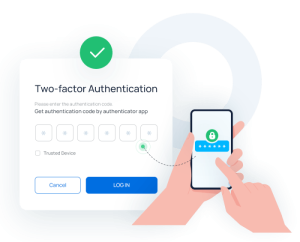
- Multi-factor authentication adds an extra layer of security by requiring users to provide multiple forms of verification before accessing their accounts.
- Typically, this involves something you know (like a password), something you have (like a mobile device), and something you are (like a fingerprint).
- By implementing multi-factor authentication, even if a hacker obtains your password, they would still need the additional verification to access your account.
- This significantly reduces the risk of unauthorized access and enhances the overall security of your computer and online accounts.
Computers Software for Cybersecurity
When it comes to ensuring cybersecurity in remote work environments, utilizing the right software tools is crucial. Let’s explore some key software tools that play a vital role in protecting computers from cyber threats.
Antivirus Software
Antivirus software is a fundamental tool in cybersecurity that helps protect computers from a wide range of malware, including viruses, worms, and ransomware. It works by scanning files and programs on the computer to detect and eliminate any malicious threats. By regularly updating antivirus software and running scans, users can significantly reduce the risk of falling victim to cyber attacks.
Virtual Private Networks (VPNs)
Virtual Private Networks (VPNs) are essential for maintaining security and privacy while working remotely. VPNs create a secure encrypted connection between the user’s device and the internet, ensuring that sensitive data transmitted over the network remains protected from potential threats. By using a VPN, remote workers can safeguard their online activities, maintain anonymity, and access company resources securely from any location.
Computers Systems Security Measures
System security is crucial in remote work setups to protect sensitive data and maintain the integrity of operations. Securing operating systems and implementing network segmentation are key strategies in safeguarding against cyber threats.
Securing Operating Systems
- Regular software updates: Installing patches and updates promptly can address vulnerabilities and strengthen security.
- Strong authentication measures: Enforcing multi-factor authentication can prevent unauthorized access to systems.
- Firewall protection: Configuring firewalls can filter network traffic and block malicious content.
- Antivirus software: Deploying antivirus programs can detect and remove malware from systems.
Network Segmentation
- Dividing networks: Segmenting networks into smaller subnetworks can limit the impact of security breaches and contain threats.
- Access control: Implementing access controls and restrictions within network segments can restrict unauthorized users from accessing sensitive data.
- Monitoring and logging: Regularly monitoring network traffic and logging activities can help in identifying and addressing security incidents.
Final Summary
In conclusion, safeguarding your remote work setup is crucial in today’s digital landscape. By implementing the right cybersecurity measures, you can work with peace of mind knowing your data and devices are protected. Stay safe and secure in the virtual realm!
Question & Answer Hub
How can I secure my mobile devices for remote work?
To secure your mobile devices, always use strong passwords, enable biometric authentication if available, keep your software updated, and avoid connecting to public Wi-Fi networks.
Why is multi-factor authentication important for remote work?
Multi-factor authentication adds an extra layer of security by requiring more than just a password to access your accounts, reducing the risk of unauthorized access.
What are the common programming languages used in cybersecurity?
Common programming languages in cybersecurity include Python, JavaScript, C, and Ruby, which are versatile and widely used for creating secure applications and tools.
How do virtual private networks (VPNs) enhance remote work security?
VPNs encrypt your internet connection, making it secure and private, which is crucial when working remotely to protect sensitive data from potential cyber threats.