Step into the world of Cloud security solutions where data protection meets innovation, challenges are conquered, and solutions are crafted with precision.
Get ready to explore the realm of securing data in the cloud, understanding different security measures, and implementing best practices for a fortified digital environment.
Introduction to Cloud Security Solutions
Cloud security solutions refer to the various tools and practices designed to protect data stored in cloud environments from cyber threats and unauthorized access. As businesses increasingly adopt cloud services for storage and computing needs, ensuring the security of sensitive information has become a top priority.
Importance of Securing Data in the Cloud
Securing data in the cloud is crucial for safeguarding sensitive information from cyber attacks and data breaches. With the growing number of cyber threats targeting cloud environments, businesses must implement robust security measures to protect their data.
Primary Challenges in Cloud Security
- Lack of visibility and control: Due to the dynamic nature of cloud environments, organizations may struggle to maintain visibility and control over their data and applications.
- Data breaches and compliance risks: Cloud storage can be vulnerable to data breaches, putting organizations at risk of regulatory compliance violations and financial losses.
- Insecure APIs: Insecure application programming interfaces (APIs) used in cloud services can create vulnerabilities that hackers may exploit to gain unauthorized access to data.
- Shared responsibility model: Cloud security often involves a shared responsibility model between cloud providers and customers, leading to potential gaps in security coverage if responsibilities are not clearly defined.
Types of Cloud Security Solutions

Cloud security solutions come in various forms to protect data and applications stored in the cloud. Two popular types of cloud security solutions are encryption-based security and access control mechanisms.Encryption-based security involves encoding data to prevent unauthorized access. This method uses algorithms to convert plain text data into ciphertext, which can only be decrypted with the right key. Encryption ensures that even if data is intercepted, it remains unreadable to unauthorized users.Access control mechanisms, on the other hand, focus on regulating who can access specific resources within the cloud environment.
This type of security solution involves setting permissions, roles, and policies to control user access based on factors like identity, location, and device.
Examples of Cloud Security Tools and Services
- Amazon Web Services (AWS) Identity and Access Management (IAM): AWS IAM allows users to manage access to AWS services securely.
- Microsoft Azure Key Vault: Azure Key Vault helps safeguard cryptographic keys and secrets used by cloud applications and services.
- Cisco Cloudlock: Cisco Cloudlock offers cloud-native CASB (Cloud Access Security Broker) solutions to protect cloud environments.
Implementing Cloud Security Solutions
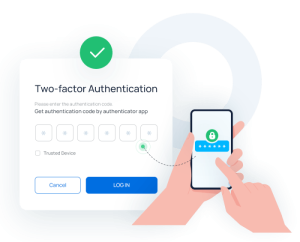
Implementing cloud security solutions is crucial for businesses to protect their sensitive data and ensure the integrity of their systems. It involves following best practices to mitigate risks and safeguard against cyber threats.Identity and access management (IAM) plays a significant role in securing cloud environments by controlling user access and permissions. Businesses need to implement strong authentication measures, such as multi-factor authentication, to verify the identity of users accessing the cloud services.
Role-based access control should also be utilized to limit user privileges based on their roles within the organization.Businesses can integrate cloud security into their existing infrastructure by using cloud security tools and services that are compatible with their current systems. They should conduct a thorough assessment of their security requirements and choose solutions that align with their specific needs. Additionally, businesses should regularly update and patch their systems to address any vulnerabilities and stay protected against evolving threats.
Best Practices for Implementing Cloud Security Solutions
- Regularly update security measures and patches to address vulnerabilities.
- Implement multi-factor authentication to enhance user verification.
- Utilize encryption to protect data both at rest and in transit.
- Monitor and analyze security logs to detect and respond to potential threats.
Role of Identity and Access Management in Securing Cloud Environments
- Control user access and permissions to prevent unauthorized entry.
- Implement role-based access control to limit user privileges based on their roles.
- Enforce strong authentication measures to verify user identities.
Integrating Cloud Security into Existing Infrastructure
- Assess security requirements and choose solutions that align with business needs.
- Utilize cloud security tools and services that are compatible with current systems.
- Regularly update and patch systems to address vulnerabilities and stay protected.
Mobile Computing and Cloud Security
Mobile computing and cloud security are closely intertwined in today’s digital landscape. As more and more people rely on mobile devices to access and store data in the cloud, the need for robust security measures becomes paramount.
Challenges of Securing Data on Mobile Devices in the Cloud
- One of the main challenges is the vulnerability of mobile devices to security breaches, such as malware attacks and data theft.
- Another challenge is the potential loss or theft of devices, which can compromise sensitive data stored in the cloud.
- Ensuring secure data transmission between mobile devices and the cloud is also a significant challenge.
Strategies for Enhancing Security in Mobile Cloud Computing Environments
- Implementing strong encryption protocols to protect data both in transit and at rest.
- Enforcing multi-factor authentication to add an extra layer of security for accessing cloud resources from mobile devices.
- Regularly updating security software on mobile devices to prevent vulnerabilities from being exploited.
- Leveraging mobile device management (MDM) solutions to remotely monitor and manage the security of devices accessing the cloud.
- Training employees on best practices for mobile security and raising awareness about potential threats.
Computers Programming and Cloud Security
Programming practices play a crucial role in ensuring the security of cloud-based applications. By following secure coding practices, developers can mitigate vulnerabilities and enhance the overall security of their applications deployed in the cloud.
Secure Coding Practices for Cloud Applications
- Avoid hardcoding sensitive information such as passwords or API keys in the code. Instead, use secure storage mechanisms or environment variables.
- Implement proper input validation to prevent injection attacks like SQL injection or cross-site scripting (XSS).
- Use encryption techniques to protect data both in transit and at rest within the cloud environment.
- Regularly update dependencies and libraries to patch known vulnerabilities and ensure the security of the application.
Common Vulnerabilities in Cloud-based Applications and Mitigation Strategies
- Insecure APIs: APIs are often targeted by attackers to gain unauthorized access. Developers should implement strong authentication mechanisms and enforce strict access controls.
- Data Breaches: Data stored in the cloud is at risk of breaches. Encrypting data, implementing access control policies, and monitoring for suspicious activities can help mitigate this risk.
- Denial of Service (DoS) Attacks: Cloud applications can be overwhelmed by malicious traffic during DoS attacks. Utilizing DDoS protection services and implementing rate limiting can help mitigate the impact of such attacks.
- Insecure Configuration: Improperly configured cloud resources can lead to security vulnerabilities. Regularly audit and secure configurations to prevent unauthorized access.
Computers Security and Cloud Security Solutions
Computer security and cloud security solutions are closely intertwined, as the protection of data and systems is crucial in both environments. Implementing strong security measures on computers can greatly enhance overall cloud security.Network security measures play a vital role in bolstering cloud security. By securing the network infrastructure that connects computers to the cloud, organizations can prevent unauthorized access and data breaches.
This includes implementing secure communication protocols, monitoring network traffic, and setting up strong authentication processes.
Role of Firewalls in Cloud Security
Firewalls act as a barrier between a trusted internal network and untrusted external networks, including the cloud. They monitor and control incoming and outgoing network traffic based on predefined security rules. In a cloud environment, firewalls help protect sensitive data and applications from malicious attacks and unauthorized access.
- Firewalls can prevent unauthorized access to cloud resources by filtering incoming and outgoing traffic.
- They help detect and block malicious activities, such as hacking attempts and malware infections.
- Firewalls can be deployed at various levels, including network, host, and application layers, to provide comprehensive protection in the cloud.
Role of Antivirus Software in Cloud Security
Antivirus software plays a crucial role in detecting and removing malware threats that can compromise cloud security. By regularly scanning cloud resources for viruses, Trojans, and other malicious software, organizations can prevent data loss and unauthorized access.
- Antivirus software helps identify and eliminate malware before it can spread and infect other cloud resources.
- Regular updates and real-time scanning are essential to ensure effective protection against evolving threats in the cloud.
- Integrating antivirus software with other security solutions, such as firewalls and intrusion detection systems, enhances overall cloud security posture.
Role of Intrusion Detection Systems in Cloud Security
Intrusion detection systems (IDS) are designed to monitor network traffic for suspicious activities or security breaches in real-time. By analyzing network packets and system logs, IDS can alert organizations to potential threats and help mitigate security incidents in the cloud.
- IDS can detect unauthorized access attempts, data exfiltration, and other malicious activities in the cloud environment.
- They provide valuable insights into security incidents, allowing organizations to respond promptly and effectively to mitigate risks.
- IDS can be deployed as host-based or network-based solutions to monitor cloud resources and identify security vulnerabilities proactively.
Computers Software for Cloud Security
When it comes to securing cloud environments, having the right software solutions in place is crucial. Let’s explore some of the top software options tailored for cloud security and discuss the importance of keeping them updated.
Top Cloud Security Software Offerings
- FireEye Cloud Security: Offers advanced threat detection and response capabilities for cloud environments.
- McAfee MVISION Cloud: Provides data protection, threat prevention, and compliance management for cloud services.
- Fortinet FortiGate: Combines network security, threat intelligence, and AI-driven insights for cloud security.
Importance of Regular Software Updates
Regularly updating security software in cloud environments is essential to ensure protection against the latest threats and vulnerabilities. By keeping software up to date, organizations can mitigate risks and maintain a strong security posture in the cloud.
Computers Systems and Cloud Security
When it comes to securing cloud computing systems, there are several key components that play a crucial role in ensuring data protection and privacy. These components work together to create a secure environment for storing and accessing sensitive information.
Components of a Secure Cloud Computing System
- Encryption: Encrypting data both at rest and in transit is essential to protect it from unauthorized access.
- Authentication: Implementing strong authentication mechanisms helps ensure that only authorized users can access the system.
- Access Control: Setting up granular access controls based on roles and permissions helps prevent unauthorized users from accessing sensitive data.
- Monitoring and Logging: Continuous monitoring and logging of activities within the system can help detect and respond to security incidents in a timely manner.
Shared Responsibility in Cloud Security
Shared responsibility in cloud security refers to the division of security responsibilities between the cloud service provider and the customer. While the provider is responsible for securing the infrastructure, the customer is responsible for securing their data and applications.
Cloud Service Models and Implications for Security
Cloud service models such as Infrastructure as a Service (IaaS), Platform as a Service (PaaS), and Software as a Service (SaaS) have different implications for security based on the level of control and responsibility they offer to customers.
- IaaS: Customers have more control over security configurations but are also responsible for securing the operating system, applications, and data.
- PaaS: Customers have less control over the underlying infrastructure but are still responsible for securing their applications and data.
- SaaS: Customers have the least control over security settings as the provider manages most of the security measures, but customers are still responsible for protecting their data and user access.
Ending Remarks
As we wrap up our journey through Cloud security solutions, remember that safeguarding your data is not just a task but a necessity in today’s interconnected world. Stay informed, stay secure!
Clarifying Questions
How can I ensure my data is secure in the cloud?
By implementing encryption, access controls, and regular security updates, you can enhance the security of your data stored in the cloud.
What are the primary challenges faced in cloud security?
Some challenges include data breaches, unauthorized access, compliance issues, and ensuring data integrity in a shared environment.
How does mobile computing impact cloud security?
Mobile devices accessing cloud data can pose security risks due to potential vulnerabilities in the devices themselves. Implementing strong authentication and data encryption can help mitigate these risks.
What role do firewalls play in cloud security?
Firewalls act as a barrier between your internal network and the internet, helping to monitor and control incoming and outgoing network traffic, thereby enhancing cloud security.