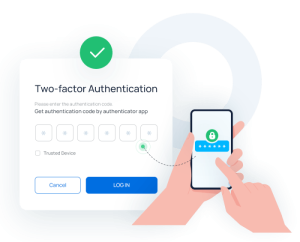
Get ready to dive into the world of two-factor authentication importance, where an extra layer of security can make all the difference in safeguarding your valuable accounts. This topic is not only crucial but also fascinating, so let’s explore the ins and outs of this essential security measure.
From understanding the concept to exploring real-world examples, this discussion will equip you with the knowledge needed to stay safe in the digital realm.
Two-factor authentication importance
Two-factor authentication is a security process that requires users to provide two different authentication factors to verify their identity before granting access to an account or system. These factors typically include something the user knows (like a password) and something the user has (like a smartphone or security token).
Significance of Two-factor authentication
Two-factor authentication adds an extra layer of security to accounts, making it significantly harder for unauthorized individuals to gain access. By requiring multiple forms of verification, it reduces the risk of identity theft, data breaches, and other cybercrimes.
- Two-factor authentication is crucial in the financial industry, where sensitive banking information and transactions need to be protected from unauthorized access.
- Online platforms like social media websites and email services also benefit greatly from two-factor authentication, as they contain personal data that can be misused if accounts are compromised.
- Government agencies and healthcare organizations often rely on two-factor authentication to safeguard confidential information and ensure compliance with data protection regulations.
Mobile Computing
Mobile computing has become an integral part of our daily lives, allowing us to stay connected and productive on the go. With the increasing reliance on mobile devices for various tasks, the need to secure our information and data has never been more critical. Two-factor authentication plays a crucial role in enhancing security on mobile devices, providing an extra layer of protection beyond just passwords.
Implementation on Mobile Devices
- Two-factor authentication on mobile devices typically involves receiving a verification code via SMS, email, or through a dedicated authentication app after entering the correct password.
- Users may also use biometric authentication methods like fingerprint or facial recognition in combination with a password for added security.
- Some mobile apps and services offer the option for hardware tokens or push notifications for authentication, further strengthening the security measures.
Security Benefits on Mobile Devices vs. Desktop Computers
- Mobile devices are more prone to theft or loss, making them vulnerable to unauthorized access. Implementing two-factor authentication adds an extra barrier, reducing the risk of unauthorized account access in case the device falls into the wrong hands.
- Unlike desktop computers, mobile devices are often used in public or shared spaces, increasing the chances of someone looking over your shoulder as you enter passwords. Two-factor authentication mitigates this risk by requiring a secondary form of verification.
- Mobile operating systems are designed with a strong focus on security, and adding two-factor authentication further enhances the overall security posture of the device.
Importance of Securing Mobile Computing Devices
- Mobile devices store a significant amount of personal and sensitive information, including emails, contacts, photos, and access to financial accounts. Securing these devices with two-factor authentication helps prevent unauthorized access and potential data breaches.
- With the rise of mobile banking and e-commerce, ensuring the security of transactions and personal information on mobile devices is crucial. Two-factor authentication adds an additional layer of protection, safeguarding sensitive data from cyber threats.
- Securing mobile computing devices with two-factor authentication not only protects individual users but also helps in maintaining the overall security of networks and systems by reducing the risk of compromised devices becoming entry points for cyber attacks.
Computers Programming

Integrating two-factor authentication into applications and systems is crucial for ensuring the security of user data and preventing unauthorized access. Programmers play a key role in implementing this additional layer of security to protect sensitive information.
Integrating Two-Factor Authentication
- Programmers can integrate two-factor authentication by using APIs provided by authentication services like Authy, Google Authenticator, or Twilio.
- Developers can incorporate two-factor authentication into the login process by requiring users to enter a one-time code sent to their mobile device or email.
- Implementing multi-factor authentication libraries like Auth0 or Firebase Auth can simplify the integration process for developers.
Best Practices for Developers
- Store sensitive information like encryption keys securely and avoid hardcoding them into the application code.
- Regularly update authentication mechanisms and libraries to patch any security vulnerabilities.
- Implement rate limiting and account lockout mechanisms to prevent brute force attacks on the authentication system.
Programming Languages and Frameworks
- Frameworks like Django, Spring Security, and ASP.NET Core provide built-in support for two-factor authentication, making it easier for developers to implement.
- Languages such as Java, Python, and C# offer libraries and modules that can be used to add two-factor authentication functionality to applications.
- Using open-source libraries like Google Authenticator’s TOTP implementation can enable developers to quickly add two-factor authentication to their systems.
Computers Security
Enhancing computer security is crucial in today’s digital age where cyber threats are prevalent. Two-factor authentication plays a vital role in fortifying the security of computers and sensitive data.
Enhanced Security with Two-factor Authentication
- Two-factor authentication adds an extra layer of security beyond just passwords, making it harder for unauthorized users to gain access.
- By requiring a second form of verification, such as a code sent to a mobile device, two-factor authentication reduces the risk of unauthorized access even if passwords are compromised.
- It provides a more robust defense against phishing attacks, where cybercriminals attempt to trick users into revealing their login credentials.
Common Security Threats Mitigated by Two-factor Authentication
- Phishing attacks: Two-factor authentication helps prevent unauthorized access even if login credentials are obtained through phishing.
- Password breaches: In case of password breaches, two-factor authentication adds an additional barrier, reducing the impact of compromised passwords.
- Man-in-the-middle attacks: Two-factor authentication reduces the risk of data interception by adding an extra verification step.
Preventing Unauthorized Access and Data Breaches
- Unauthorized access: Two-factor authentication ensures that only authorized users with both the password and a second form of verification can access sensitive information.
- Data breaches: By adding an extra layer of security, two-factor authentication helps prevent unauthorized users from gaining access to confidential data, reducing the risk of data breaches.
- Protecting sensitive information: Two-factor authentication helps safeguard sensitive data from unauthorized access, ensuring that only legitimate users can access it.
Computers Software
In the realm of software development, incorporating two-factor authentication features is crucial to enhance the security of the applications. By adding an extra layer of verification, developers can significantly reduce the risk of unauthorized access and protect sensitive data.
Incorporating Two-Factor Authentication Features
- Software developers integrate two-factor authentication by implementing APIs from authentication services like Google Authenticator or Authy.
- Developers create a seamless user interface for setting up and managing two-factor authentication within the software.
- They ensure that the authentication process is encrypted and secure to prevent any interception of codes or tokens.
User Experience with Two-Factor Authentication Software
- Users may initially find the setup process slightly cumbersome but appreciate the added security it provides.
- Once set up, users experience peace of mind knowing that their accounts are well-protected against unauthorized access.
- Users appreciate the flexibility of choosing between different authentication methods like SMS codes, authenticator apps, or biometric verification.
Benefits of Using Software with Two-Factor Authentication
- For Developers:
- Enhanced security measures protect the reputation of the software and build trust with users.
- Reduced risk of data breaches and cyber attacks due to the added layer of protection.
- Compliance with industry standards and regulations regarding data security.
- For End-Users:
- Increased confidence in the security of their accounts and personal information.
- Protection against unauthorized access even if login credentials are compromised.
- Peace of mind knowing that their data is safeguarded against cyber threats.
Computers Systems
When it comes to complex computer systems, the integration of two-factor authentication is crucial for maintaining a high level of security. By requiring users to provide two different factors to verify their identity, this added layer of protection helps prevent unauthorized access to sensitive information.
Key Components Requiring Two-Factor Authentication
- User Accounts: User accounts within computer systems often hold valuable data and need to be safeguarded with two-factor authentication to prevent unauthorized access.
- Network Access Points: Secure network access points are essential components that require two-factor authentication to ensure only authorized individuals can connect to the system.
- Database Servers: Database servers store massive amounts of data, making them prime targets for cyber attacks. Implementing two-factor authentication adds an extra barrier against potential breaches.
Successful Implementations of Two-Factor Authentication
- Google: Google implemented two-factor authentication for its services, requiring users to enter a verification code sent to their mobile devices in addition to their passwords. This measure significantly enhanced the security of user accounts.
- Banking Institutions: Many banks have successfully implemented two-factor authentication for online banking services. By combining passwords with unique, one-time codes, they have been able to protect customer accounts from unauthorized access.
- Government Agencies: Government agencies have also adopted two-factor authentication to secure access to sensitive information. This additional security measure helps prevent data breaches and unauthorized disclosures.
Closing Summary
In conclusion, two-factor authentication stands as a critical tool in the fight against cyber threats, offering users a powerful defense mechanism to protect their sensitive information. By implementing this security measure, you can enhance the safety of your accounts and reduce the risk of unauthorized access. Stay vigilant, stay secure!
Top FAQs
Why is two-factor authentication important?
Two-factor authentication adds an extra layer of security by requiring users to provide two different factors to verify their identity, making it harder for hackers to gain unauthorized access.
Is two-factor authentication necessary for all accounts?
While not mandatory for all accounts, using two-factor authentication is highly recommended, especially for sensitive accounts like email, banking, and social media.
Can two-factor authentication be hacked?
While not foolproof, two-factor authentication significantly reduces the risk of unauthorized access. However, like any security measure, it is not entirely immune to hacking.